
A softer, more honest frame for the year everyone warned you about.
Team BuddingWondersFree9 min read
The phrase "terrible twos" has done a lot of quiet damage to a lot of good parents. It reframes a completely normal, developmentally healthy stage as something wrong. Something to be endured. Something the child is doing to you.
Almost none of that is true. Here is what is actually happening.
The 30-second version of the neuroscience
Your two-year-old has, roughly, the emotional intensity of an adult and the impulse control of a small woodland creature. The part of the brain that manages emotional regulation — the prefrontal cortex — is one of the last parts of the human brain to develop. It is not fully mature until the mid-twenties. At two, it is barely a sketch.
This means: your toddler genuinely, biologically cannot regulate a big feeling on their own. When they melt down in the middle of the aisle at the supermarket because you handed them the wrong colour banana, they are not manipulating you. They are having a neurological event that they do not have the equipment to manage yet.
Why it feels like it comes out of nowhere at two
Because two is when three things collide:
1. Language is exploding, but not fast enough to keep up with the size of their feelings. They know what they want. They cannot always tell you. 2. They discover they are a separate person from you. This is a huge developmental milestone, and it comes with big feelings about autonomy. 3. They understand a lot more than they can express, which is intensely frustrating.
Put those together and you get the year that got its own scary nickname.
What actually helps
- Name the feeling for them. "You're upset because you wanted the blue cup." You are lending them your prefrontal cortex until theirs shows up.
- Stay close and calm. You do not need to fix the feeling. You need to be a safe place while it passes.
- Do not reason with a tantrum in progress. Their thinking brain is offline. Wait until they're calm.
- Offer small choices. "Red socks or blue socks?" gives them a sense of agency without opening the door to endless negotiation.
- Look at your own regulation first. If you are dysregulated, they will match you. If you are calm, they will eventually match that too.
The Indian-family layer
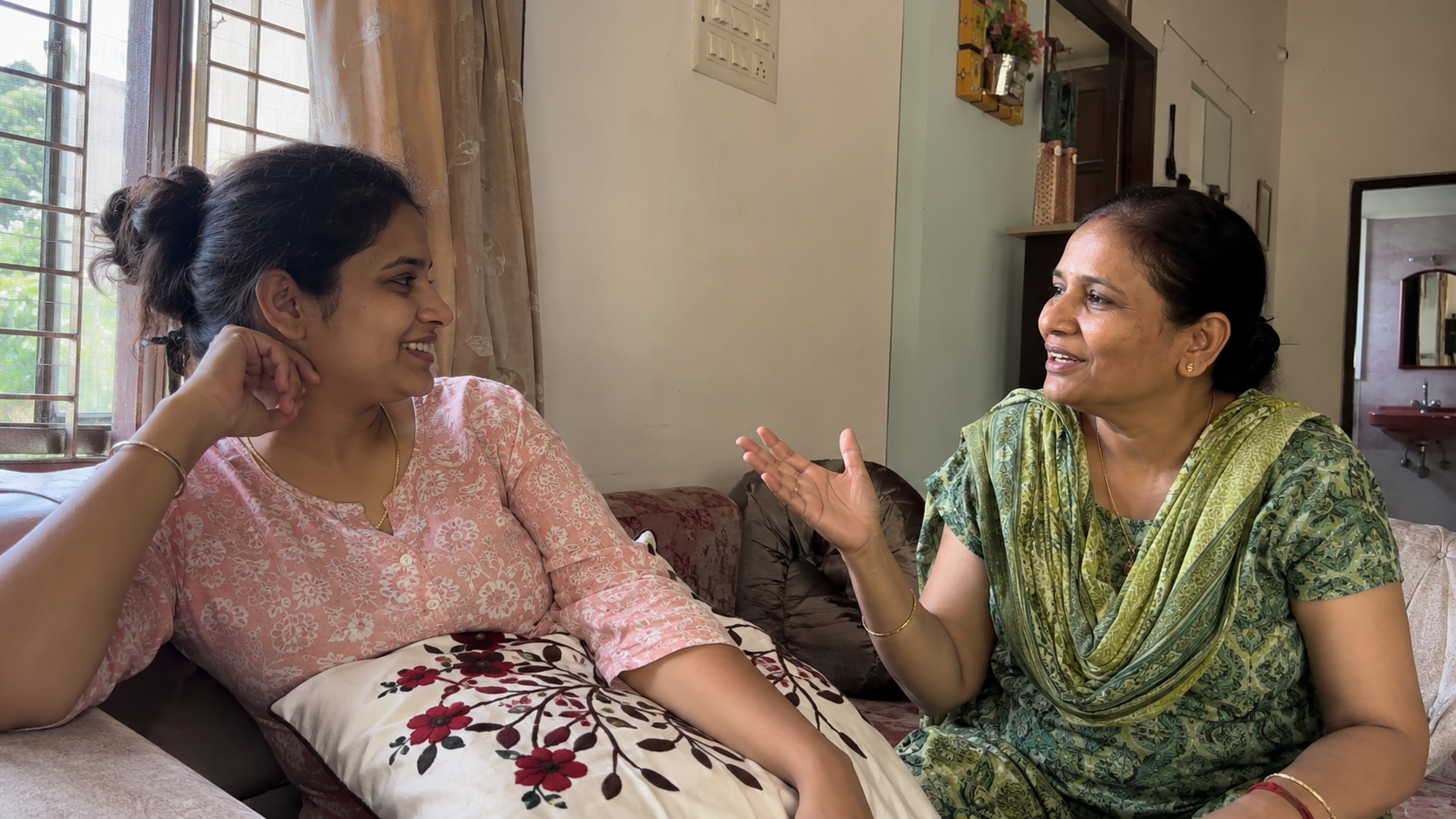
There is often, in our homes, a strong pull towards embarrassment when a child melts down in front of relatives. The instinct is to make it stop quickly, sometimes by scolding, sometimes by giving in. Neither works.
The most powerful thing you can do in that moment is to stay steady, ignore the audience, and be the calm your child needs. The relatives will survive. Your child will remember, at some level, that big feelings did not scare you.
A gentler name for this year
Some people call it the terrific twos. That is closer to the truth. This is the year they discover themselves. It is loud, and it is exhausting, and it is also one of the most beautiful stretches of childhood.
You are not failing. Your toddler is not broken. This is exactly what a two-year-old is supposed to be doing.
Found this useful? Share it with a parent who needs it.
You might also find helpful

Note. This content is for general educational purposes only and is not a substitute for personalised medical advice. Always consult your own doctor about anything specific to you or your child. Read our full Disclaimer.