Nourishing yourself in the fourth trimester, so you can heal, keep your energy, and feed your baby — without the pressure.
Team BuddingWondersFree8 min read
In the whirlwind of a new baby, the one person who tends to eat last, or forget to eat at all, is you. But your body has just done something enormous, and now, if you are breastfeeding, it is doing something enormous all over again. This is a time for nourishment, not restriction. Let us make eating well feel simple and comforting, rather than one more thing to get right.
First, heal: the recovery weeks
In these early weeks, your body is repairing tissue and replacing the blood lost during birth. Protein is your friend here — dal, eggs, paneer, curd and meat all help, and it matters even more after a C-section, which is major surgery to recover from.
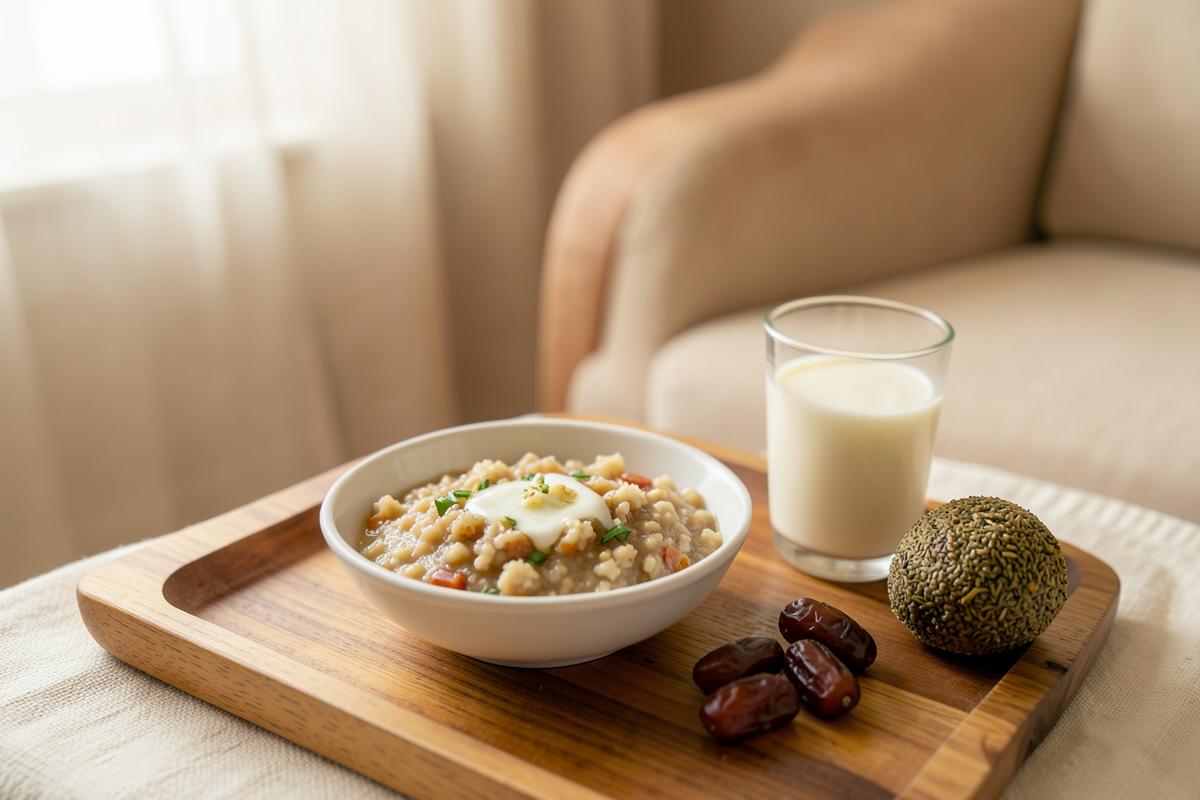
Iron and folate are important too, because postpartum anaemia is very common. Iron-rich foods like greens, dal, jaggery and dates gently rebuild you. Keep your fibre and fluids up as well, since constipation is common after birth. And there is real wisdom in the tradition of forty days of warm, easy-to-digest food — khichdi with ghee, warm dal, jeera and ajwain water. If someone is cooking these for you, let them.
Breastfeeding: nourish, do not diet
Making milk asks for extra energy, roughly 450 to 500 extra calories a day. So this is genuinely not the time for restrictive diets. Nourishment is the goal.
Hydration matters a great deal, so keep water within reach at every feed. Several nutrients pass straight into your milk, and are worth prioritising: calcium and vitamin D (if you do not get enough calcium, your body will take it from your own bones for your baby), along with iodine, B12, DHA and iron. A varied diet plus continuing your prenatal or postnatal vitamin covers most of this.
And please, do not rush to “lose the baby weight.” Gentle, gradual, and well fed is the goal. The weight comes off in its own good time.
Milk foods, and the truth about supply
Every family has its milk foods, and there is real comfort and goodness in them:
- Methi (fenugreek), saunf (fennel), jeera, moringa (drumstick) leaves, oats and garlic are all traditional galactagogues — foods thought to support milk.
- But here is the reassuring truth: your body makes milk across a huge range of diets. Your supply is affected far more by rest, hydration, and how often your baby feeds than by any single food.
- So eat your warm, nourishing meals, drink your saunf water, and then rest. Do not let “milk foods” become a chore or a worry.
- On the gond laddoo: it is genuinely nourishing, but balance is everything. Six a day will not boost your supply — it will only bring acidity. One a day is plenty.
Keeping it simple when you are exhausted
On no sleep, the simplest thing is often the kindest. Keep easy, nourishing, one-handed foods within reach — nuts, dates, curd, fruit, warm milk, khichdi, laddoos, a boiled egg. Prep them in advance, or happily accept help.
Try to eat regularly, even small amounts, rather than skipping meals in the busyness. A fed mother is a stronger mother, and you cannot pour from an empty cup.
A gentle note, and when to check with your doctor. If you feel persistently drained, dizzy or low, it is worth a chat with your doctor, as postpartum anaemia and low vitamin D are common and easily checked. If you are truly worried about your milk supply, a lactation expert can help far more than any single food. And if low mood lingers beyond the early days, please reach out — it is common, and support genuinely helps.
In closing
Please be as gentle and generous with your own nourishment as you are with your baby's. You have done, and are doing, the most extraordinary thing.
Eat warm, eat often, drink your water, rest when you can, and let people feed you. You matter, and you deserve to be cared for too.
Written by Team BuddingWonders, with guidance from our consulting nutritionist.
Found this useful? Share it with a parent who needs it.
You might also find helpful

Note. This content is for general educational purposes only and is not a substitute for personalised medical advice. Always consult your own doctor about anything specific to you or your child. Read our full Disclaimer.