The nutrients that matter most before you conceive, and why the months before the test are so precious.
Team BuddingWondersFree7 min read
Most of us start thinking about “eating well for the baby” the very moment we see two lines. But some of the most important nutritional groundwork actually happens before that moment arrives. As a nutritionist, I want to reassure you straight away: this is gentle and completely doable, not a strict overhaul of your life. It is simply about topping up a few key nutrients and building good stores, so your body is ready and well resourced from the very first day.
Why “before” matters so much
Your baby's brain and spine — what we call the neural tube — begin forming in the first few weeks of pregnancy, often before you even know you are expecting, and the neural tube closes by around 28 days. So the nutrients that support this need to already be in your body, not scrambled together after a positive test.
There is another quiet reason. Your eggs mature over roughly three months, so what you eat in the months before you conceive genuinely matters. And in India especially, low levels of folate, iron, vitamin B12 and vitamin D are very common, which makes this preparation window well worth your attention.
Folate: the one to start now, not later
If you take just one thing from this article, let it be this. Folate, or folic acid, helps protect your baby against neural tube defects, and the guidance is to take around 400 micrograms a day, ideally starting before you conceive, not once you find out.
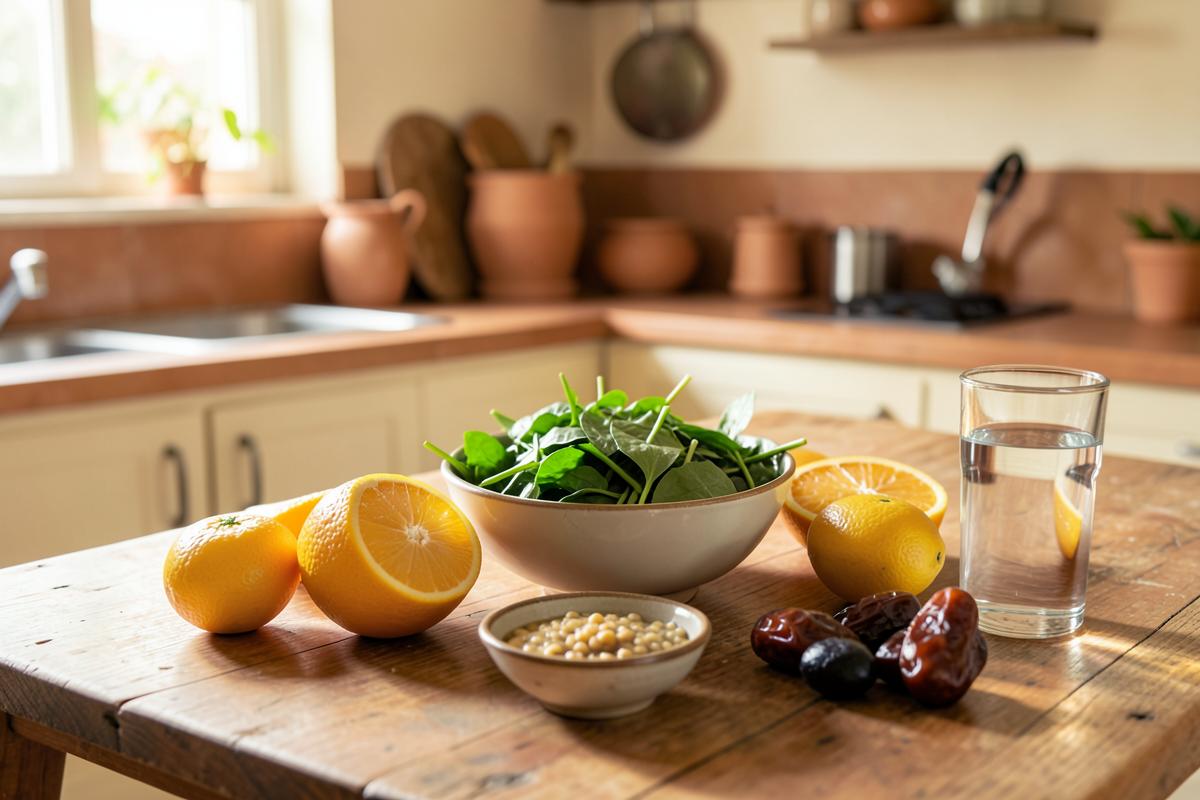
You will find folate naturally in leafy greens like palak and methi, in dal and other legumes, in citrus fruits, and in fortified grains. Many people also choose a supplement to be sure, and some prefer the more easily absorbed methylfolate form. Your doctor can help you pick what is right for you.
The other quiet essentials
Alongside folate, a handful of nutrients are worth building up gently now:
- Iron: build your stores early, since low iron is very common. Greens, dal, and jaggery all help, and pairing them with vitamin C (a squeeze of lemon, some amla or citrus) helps your body absorb the iron far better.
- Vitamin B12: often low in vegetarian Indian diets. It is found in dairy and eggs, or taken as a supplement if your diet is largely plant-based.
- Vitamin D: widely low in our part of the world. A little sunlight, fortified foods, and often a supplement help.
- Iodine: usually well covered simply by using iodised salt.
- Omega-3 (DHA): found in oily fish, or in an algae-based supplement for vegetarians.
The bigger picture: nourish, do not restrict
None of this means eating perfectly. It means eating well, and a little intentionally. Fill your plate with plenty of vegetables and fruit, whole grains, dal and legumes, dairy or good alternatives, and healthy fats. A varied, colourful, mostly home-cooked diet does most of the work.
Being in a comfortable, healthy weight range does support conception, and both very low and very high weight can make things harder. But please hear this as an invitation to nourish yourself, never to crash diet. This is also a gentle time to ease back on alcohol, smoking, and heavy caffeine. And if you eat vegetarian, that is absolutely fine — it simply benefits from a little planning around B12, iron, protein and omega-3.
A gentle note, and when to check with your doctor. Everybody's needs are a little different. A quick conversation with your doctor about a preconception supplement, along with a simple blood test for iron, thyroid, B12 and vitamin D, means you begin on exactly the right footing. This is especially worth doing if you follow a vegetarian or vegan diet, have PCOS, thyroid issues, or diabetes, or have had restricted eating or a previous pregnancy with nutrition-related complications.
In closing
You do not need to eat perfectly. Just gently, and with a little intention, in these preparing months.
A well-nourished body is the loveliest first home you can offer. Be kind to yourself, keep it simple, and enjoy the food.
Written by Team BuddingWonders, with guidance from our consulting nutritionist.
Found this useful? Share it with a parent who needs it.
You might also find helpful

Note. This content is for general educational purposes only and is not a substitute for personalised medical advice. Always consult your own doctor about anything specific to you or your child. Read our full Disclaimer.