Raising a bilingual toddler abroad
They will speak English from the world around them. The mother tongue is yours to give. Here's how to do it without battles, guilt, or a tutor.
By BuddingWonders Editors
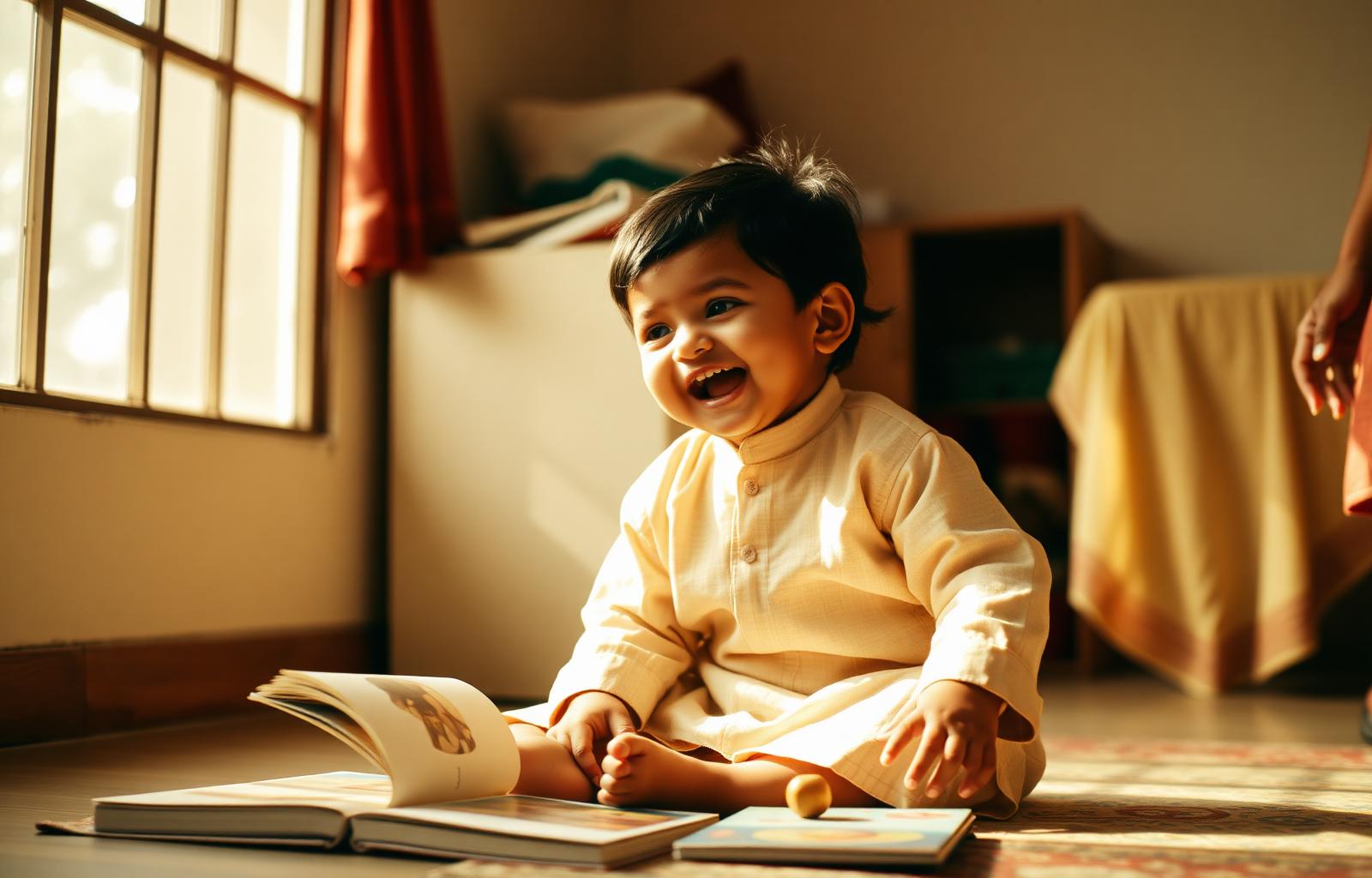
If you''re raising a child outside India, the equation is simple: English will arrive on its own. Hindi, Tamil, Marathi, Punjabi, Bengali, Malayalam, Telugu, Gujarati, Kannada — those have to be chosen, daily.
The reward is enormous. The method is gentler than you think.
The science, briefly
- Bilingual children do not speak later. Total vocabulary across both languages is on par with monolingual peers.
- They may mix languages in single sentences ("code-switching"). This is a sign of skill, not confusion.
- Bilingualism is linked to better executive function, mental flexibility, and (later in life) delayed onset of cognitive decline.
- The window is wide open under 7. It''s still very open under 12. After that, the accent locks in.
The first language a child loves becomes the language they think in.
The three working strategies
Pick one. Stick to it for at least a year.
The worst strategy: switching to English when the child answers in English. That''s exactly when consistency matters most.
The daily practice
You don''t need a curriculum. You need 30–60 minutes a day of real, warm exposure.
- One meal a day in the mother tongue — table conversation, no English
- Bedtime stories in the mother tongue (board books in Hindi/Tamil/etc are everywhere online)
- Nursery rhymes and songs — these stick deeper than any flashcards
- Video calls with grandparents, on speaker, twice a week
- One cartoon a day in the mother tongue (Peppa Pig dubs exist in most Indian languages)
- Cooking together — narrate in the mother tongue. Food vocabulary is rich and useful.
When they answer back in English
They will. They''re not rejecting you. English is just where most of their day lives.
The gentle response: repeat what they said in the mother tongue, then continue the conversation.
Child: "I want juice."
You (in Hindi): "Achha, juice chahiye? Konsa juice — orange ya apple?"
No correction, no lecture. Just modelled language. Over months, they start matching you.
The grandparent superpower
Nothing accelerates fluency like a few weeks with a doting grandparent who speaks only the mother tongue. If you can swing one extended visit a year — in either direction — it''s the single biggest investment.
If not: weekly video calls with a specific activity (a story, a song, a recipe) beat generic check-ins.
The cultural piece
Language is the carrier. The reasons we want it are:
- Festivals that mean something (not just an Insta post)
- Food vocabulary that doesn''t need translation
- Songs grandparents sang, sung again
- Being able to talk to relatives in India, in their words
- A second self for your child, with a different rhythm and humour
When not to worry
- Code-switching mid-sentence
- A "silent period" of a few weeks when starting nursery in English
- Slightly smaller vocabulary in one language (totals are what count)
- A preference for English at 4, then a sudden interest in the mother tongue at 7
When to ask for help
- No clear words by 18 months in any language
- No 2-word phrases by 24 months in any language
- Comprehension noticeably behind peers in both languages
- A regression — losing words they once had
A speech-language assessment that includes a bilingual evaluator is the gold standard. Don''t let anyone tell you to "just drop the home language to help English". That advice is decades out of date and costs the family dearly.
The world will give them English. You give them home.
Found this useful? Share it with a parent who needs it.
You might also find helpful

Note. This content is for general educational purposes only and is not a substitute for personalised medical advice. Always consult your own doctor about anything specific to you or your child. Read our full Disclaimer.