The first 40 days: confinement, reimagined
Across cultures, the first six weeks have always been protected. Here's how to recreate that container — whether you're in Mumbai, Manchester, or Minneapolis.
By BuddingWonders Editors

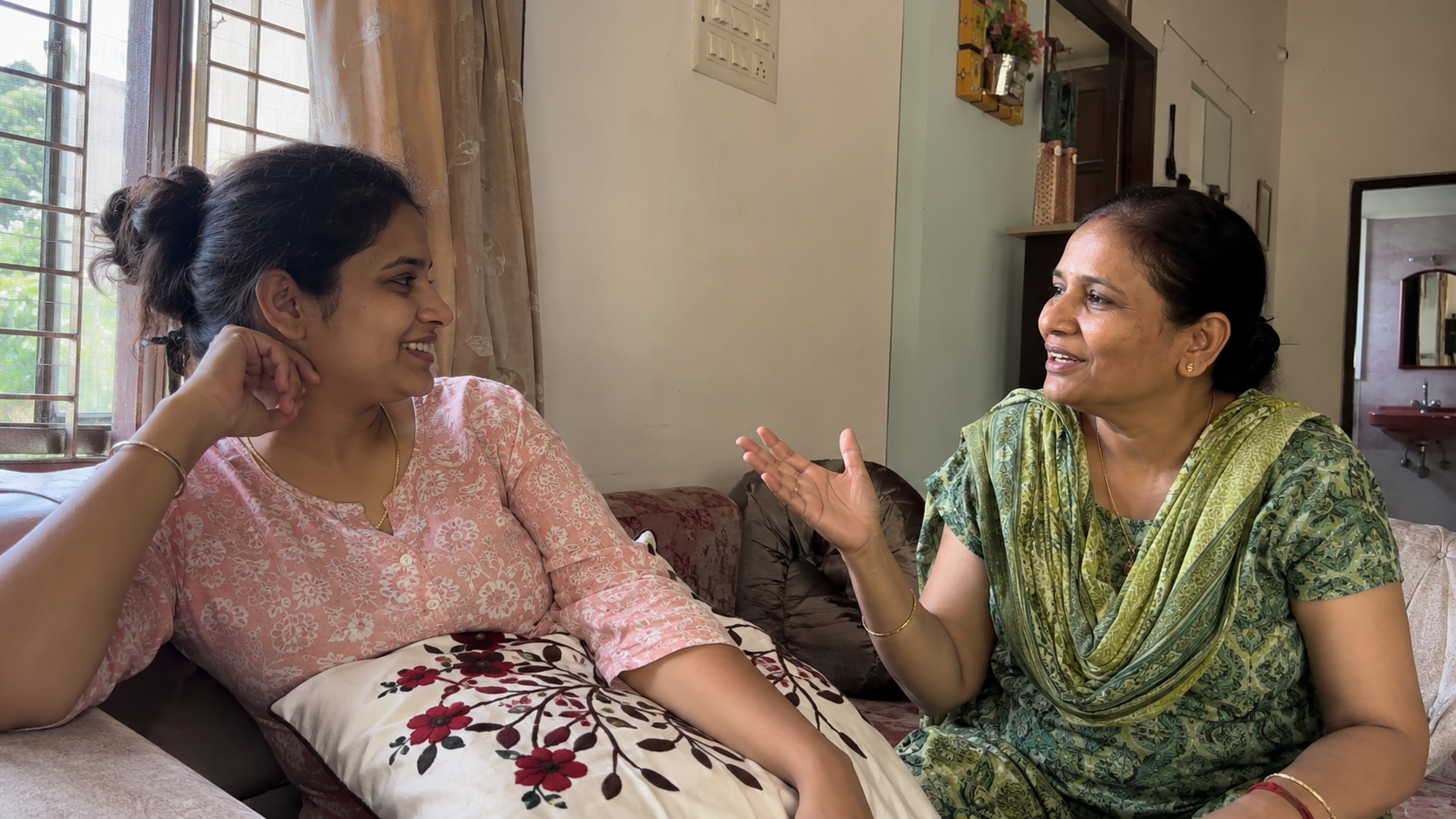
In nearly every Indian tradition — and many others — the first 40 days after birth are treated as sacred. The mother stays in. Food is warm, oily, and easy to digest. Visitors are filtered. The baby is held, almost constantly.
This isn''t superstition. It''s the most sensible postpartum care plan ever invented.
What the 40 days are actually for
- The uterus shrinks back to its pre-pregnancy size (around 6 weeks)
- Bleeding (lochia) finishes — usually weeks 4–6
- Milk supply establishes properly by around week 6
- Hormones shift through the steepest drop in adult life
- Your baby is learning to eat, sleep, and exist outside a womb
It is biologically — not culturally — a recovery period.
The five protections
The food, made simple
You need roughly 500 extra calories/day while breastfeeding, and your digestion is delicate. The traditional Indian postpartum diet gets this almost perfectly right.
- Warm, soupy, ghee-rich: khichdi, dal-chawal, panjiri, gond ladoo, ajwain water
- Lactation-supporting: methi (fenugreek), shatavari (ask your doctor), oats, garlic, fennel
- Protein every meal: eggs, chicken soup, paneer, dal, fish curry (if you eat it)
- Hydration: warm water, jeera/ajwain water, milk with haldi, coconut water
Skip in early weeks:
- Cold drinks, ice cream, raw salads
- Very spicy or "windy" foods (cabbage, raw onion, beans in excess) if baby seems gassy
- Caffeine beyond one cup a day
Visitors: the kind script
The first week is for the three of you (or the two of you). The polite, firm line:
"We''re so excited for you to meet her. We''re keeping the first 10 days quiet for feeding to settle. Can we plan a short visit in week 3? We''ll send a time."
If they push: "Our doctor was very clear about this." (Your doctor will back you up.)
Recreating the container abroad
If you don''t have family flying in, build the container differently:
- Cook ahead in T3: freeze 20–30 single-serve meals. Khichdi, dal, soups, parathas freeze beautifully.
- Hire help if you can — even 3 hours a day of a postpartum doula or cleaner changes everything.
- A meal train: a shared Google sheet, friends sign up to drop one meal each. Specify "leave at the door, no entry".
- A weekly check-in call with your mum or mother-in-law — connection without the apartment-takeover.
When to call the doctor — for you, not just baby
- Fever above 38°C / 100.4°F
- Soaking more than one pad an hour
- Calf pain or swelling in one leg
- A red, hot, painful patch on the breast (possible mastitis)
- Thoughts of harming yourself or baby — this is medical, not moral, and there is fast, kind help. Call your doctor immediately.
Postpartum is the most under-supported phase of modern adult life. Take the rest. Take the help. Take the soup. You''ve earned every minute of it.
Found this useful? Share it with a parent who needs it.
You might also find helpful

Note. This content is for general educational purposes only and is not a substitute for personalised medical advice. Always consult your own doctor about anything specific to you or your child. Read our full Disclaimer.